
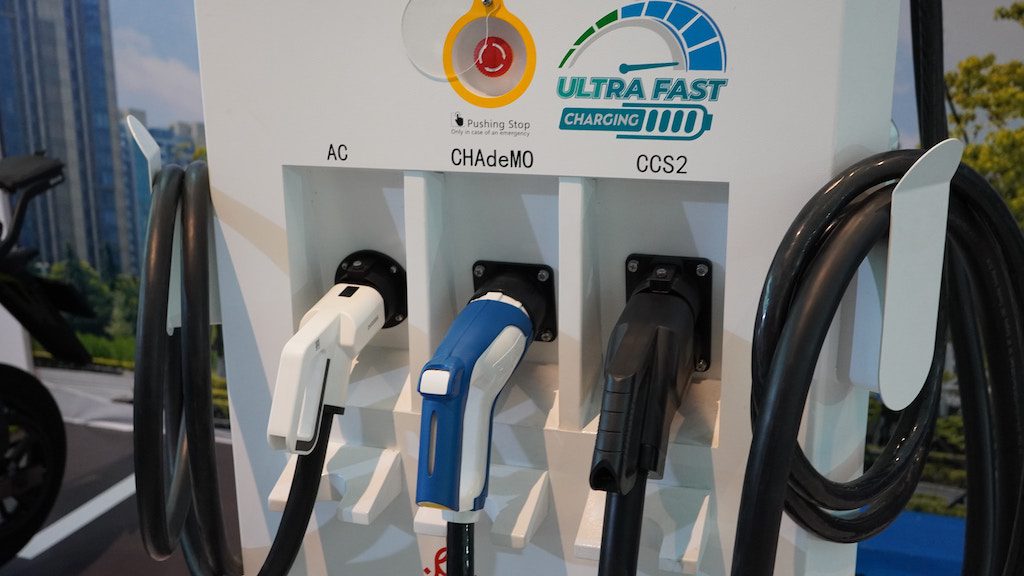

Multifamily EV charging may seem easy at first, yet real buildings have limits. Residents want reliable charging, you need costs that stay predictable, and the electrical system must stay within safe capacity. Which is why power and load sharing EV chargers for multifamily can be the most efficient solution, with the technology balancing charging demand without overloading your electrical service.
With a smart sharing plan, electric vehicle charging stations become a practical amenity instead of a luxury. Automated controls, data-driven monitoring, and clear rules keep charging fair during busy evenings while protecting your infrastructure.
What Is EV Charging Load Management?
EV charging load management caps total charging demand so your building stays within safe electrical capacity. It monitors site usage and adjusts charger output to prevent overload. It can also track daily demand curves, reducing output during evening peaks and increasing power later.
What Is EV Charger Load Sharing?
EV charger load sharing is one way to manage charging demand in a building. Multiple chargers coordinate draw under a shared limit, then divide capacity based on how many vehicles are connected. This prevents overload during peak resident hours, and speeds can increase overnight when capacity frees up.
What Is Power Sharing in EV Charging?
Power sharing is another form of load management that focuses on real-time splitting. A fixed supply is divided among multiple ports, so stations share available capacity and each port receives an appropriate portion without overloading the system. This is useful in multifamily garages where conduit runs are costly.
Power Sharing vs Load Sharing for Multifamily EV Charging
Power sharing splits power during simultaneous sessions, while load sharing shifts demand across time to reduce peak stress. Many sites combine both using load sharing and EV charging load management for scalable growth.
Why Multifamily Properties Need Power and Load Sharing
Multifamily demand rises in waves as residents adopt EVs, and a system that cannot scale creates:
- Frustration among residents
- Access issues at charging spots
- Upgrade pressure on electrical systems
A scalable plan helps you:
- Add more ports without rebuilding the backbone
- Keep charging fair across assigned stalls and shared stalls
The Problem: Limited Electrical Capacity in Multifamily Buildings
Many buildings predate EV adoption, so panels already serve building services, and several chargers at full power can trigger overload and breaker trips. Those upgrades disrupt residents every time. Older sites face tight feeders, and newer sites can still fail during peak evening charging.
How Power and Load Sharing Solves These Problems
Power and load sharing allocates output using real-time conditions, keeps demand under a safe cap and supports fair rotation. It also enables charging stations in multifamily parking garages and delivers usage data for budgeting.
How Power and Load Sharing EV Chargers Work
A modern multifamily setup uses networked chargers with a controller that measures charger demand, tracks building load through meters and enforces a safe site cap using automated rules that feel predictive on busy evenings. Everything stays coordinated and reliable.
Dynamic Power Allocation Between Chargers
Dynamic allocation gives one vehicle more power when it charges alone, then divides capacity across ports using equal or weighted sharing based on session length, assigned stalls or tiers and transparency keeps expectations realistic. Fairness improves resident charging comfort.
Real-Time Load Monitoring and Control
Real-time monitoring trims output when HVAC or elevators raise load, restores power later, protects equipment lifespan, and dashboards help teams track usage, flag idle sessions and message residents for smoother coordination. Stability prevents costly disruptions always.
Key Benefits of Power and Load Sharing EV Chargers for Multifamily
Load-managed charging improves reliability, keeps access fair and lets you scale ports without electrical rebuilds. Flexibility matters when adoption accelerates.
Avoids Costly Electrical Panel Upgrades
Load sharing caps total draw so many sites add chargers now and postpone panel work until demand is proven.
Enables More EV Chargers in the Same Building
Shared control fits more ports on the same service, reducing wait time and resident conflict.
Fair Charging for All Residents
Capacity is divided so nobody dominates, which supports condominium EV charging where expectations feel close.
Reduces Peak Power Demand and Utility Costs
Peak smoothing lowers demand charges during evening rush and keeps costs steadier.
Future-Proofs Multifamily EV Infrastructure
Many choose power and load-sharing EV chargers for multifamily because the network expands across floors as adoption grows.
Installation Options for Multifamily Power and Load Sharing EV Chargers
Install choice of multifamily power and load sharing EV chargers depends on parking layout, conduit distance and panel capacity, so an assessment guides the safest design.
Shared Circuit EV Chargers
Multiple chargers share one circuit with controlled current, reducing wiring when ports are close and dwell time is long.
Individual Circuits with Load Management
Each charger has its own circuit, while a controller sets a site cap for future changes and expansion.
Dedicated EV Charging Sub-Panel
A dedicated sub-panel groups breakers, supports metering and isolates EV loads for phased growth and inspection clarity.
Power Sharing Networks Across Multiple Parking Areas
Networked power sharing balances capacity across zones and multiple garages while providing unified reporting for planning.
Use Cases for Power and Load Sharing EV Chargers
Properties have different load patterns, so match charger count and control rules to dwell time since shared systems work best when vehicles stay parked for hours.
Apartment Buildings and Condos
Overnight parking gives a long window, so shared allocation spreads power through the night and keeps access fair for residents.
Mixed-Use Residential Properties
Commercial peaks shift to residents at night, so automated load control adjusts output and keeps service stable with reporting.
Multifamily Parking Garages
Dense layouts and shared stalls raise etiquette pressure, so alerts, idle fees and signage support turnover after charging completes for charging stations in multifamily parking garages.
How Resound Energy Services Delivers Scalable Multifamily EV Charging
A scalable program includes site assessment, electrical design, permitting support, plus long-term expansion planning, so your installation matches today’s demand and tomorrow’s adoption curve while reducing rework and resident disruption.
Experienced EV charging contractors evaluate capacity, map conduit routes, select hardware, and design safe control strategies that scale smoothly.
EV Charging Made Simple
Power sharing and load sharing help electric vehicle charging stations work smoothly in shared spaces like charging stations in multifamily parking garages. When residents follow basic etiquette like moving their vehicle after charging and not blocking access, everyone gets a better experience and fewer conflicts happen.
If incentives affect your budget, look into an electric vehicle charging station rebate by stateto lower upfront costs. You can also check for local programs like the EV charger rebate Washington if your property meets the eligibility rules.
Not Sure Which Load Sharing Solution Is Right for Your Property?
Resound Energy Services™ is the leading electric vehicle charging and LED Retrofit Contractor in the Pacific Northwest, now serving the entire continental US. Click here to connect and discover how we can be a key resource for your project today!
You can also pair charging upgrades with other efficiency work, like an LED lighting retrofit for commercial areas within shared garages, since lighting load reduction can help free capacity for charging in some designs.
Power your business with reliable EV charging and energy-efficient lighting—
partner with Resound Energy today.
FAQs
What is power and load sharing in EV charging?
Power sharing splits available capacity across chargers at the same time. Load sharing shifts demand across hours to reduce peak stress. Many multifamily sites use both for stable, fair charging.
How do power and load sharing EV chargers work in multifamily buildings?
Chargers connect to a controller that monitors demand and enforces a site limit. The system adjusts output in real time so total load stays safe. Residents can still charge during long parking windows.
What is the difference between power sharing and load sharing?
Power sharing divides power among active sessions right now. Load sharing manages charging to avoid high demand at peak times. Both protect building capacity while supporting more chargers.
Do power and load sharing EV chargers require a panel upgrade?
Not always, since shared control can cap demand under existing limits. Some buildings still need upgrades later as EV adoption grows. A site assessment gives the clearest answer.
How many EV chargers can a multifamily building support with load sharing?
It depends on service capacity, charger size, and resident demand patterns. Load sharing often supports more ports than fixed designs by controlling total draw. A load study defines the practical maximum.
Is power and load sharing safe for apartment electrical systems?
Yes. When designed correctly and installed to code. Real-time control prevents overload events and reduces breaker trips. Proper protection keeps circuits and equipment safe.
Can multiple residents charge at the same time?
Yes. Multiple residents can charge at once. The system divides available power across sessions to stay within limits. This supports fair access for everyone.
Does load sharing slow down EV charging?
It can reduce speed during peak demand periods. Overnight dwell time still usually delivers enough charge for daily driving. Speeds often increase when demand drops later.
How much does a multifamily load sharing EV charging system cost?
Costs vary by wiring distance, upgrades, charger count, and network features. Load sharing can reduce upfront costs by delaying major service upgrades. A scoped design provides a reliable estimate.
Are power and load sharing EV chargers scalable for future growth?
Yes. Most systems support phased expansion across new ports. Networked control can manage larger deployments without major redesign. Scalability is a key benefit for multifamily sites.
Can older apartment buildings use load sharing EV chargers?
Yes. Older buildings often benefit due to tight electrical capacity. Controlled charging reduces overload risk and nuisance trips. An electrical review ensures safe integration.
Do utilities or incentives support load-managed EV charging?
Often yes, since managed charging reduces grid stress at peaks. Incentives depend on location and program timing. Verify eligibility before you set project budgets.