
Here’s why an LED lighting retrofit can quickly reduce energy waste, improve visibility, and make every facility upgrade dollar work harder.
Rising cost of electricity
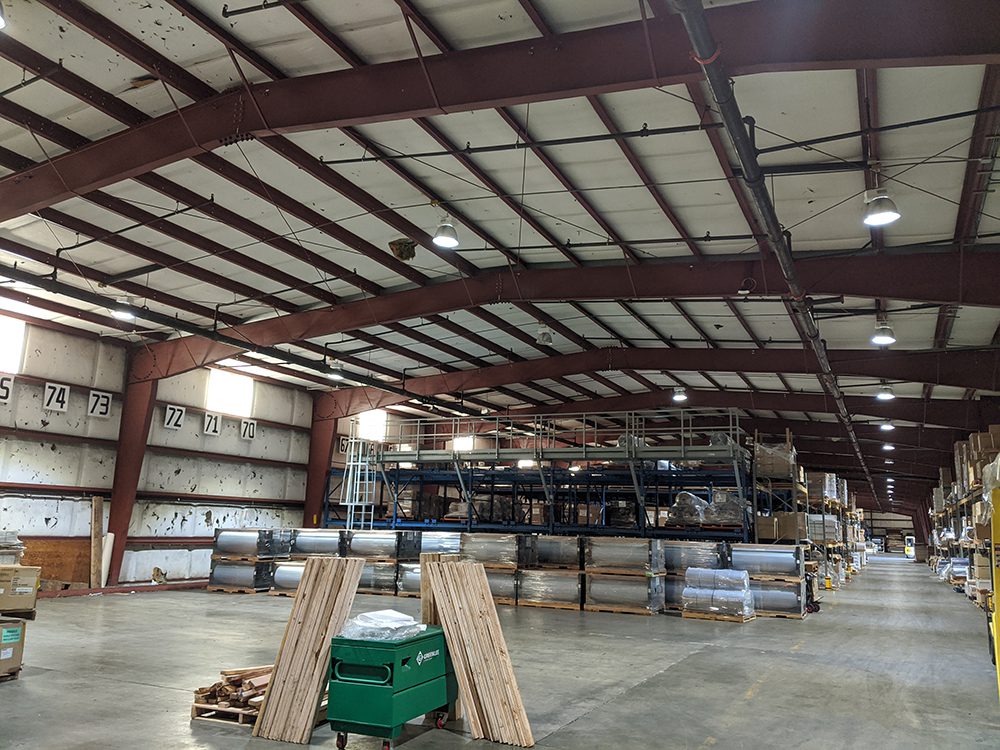
- Lighting represents 30% or more of electricity consumption in warehouses & 12% in commercial buildings (Source).
- We have all noticed the consistent rise in utilities and electricity prices over the past year. There is a way to reduce these costs by moving to LED lighting for your facilities. This is also a great way to improve occupancy rates.
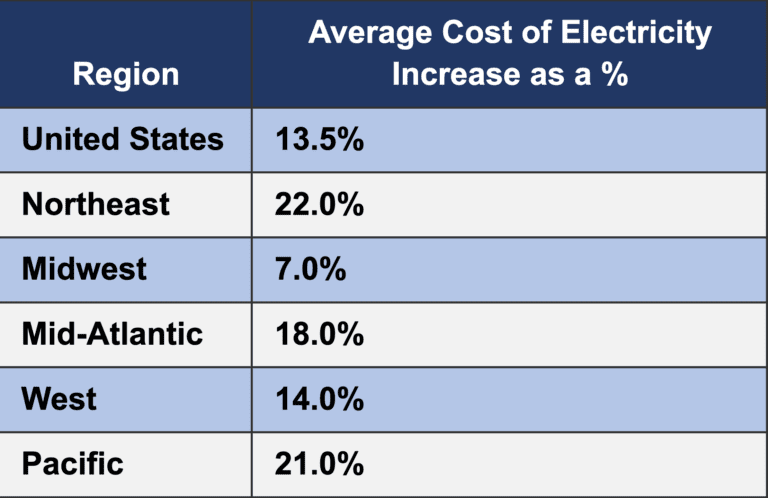
- Here is a regional look at electricity cost increase data comparing February 2022 and February 2023. There are some staggering increases during those 12 months:
How Much Are Commercial Buildings Spending on Lighting in 2026?
Commercial properties drop thousands of dollars daily because outdated lamps burn electricity constantly. A commercial LED retrofit stops this expensive operational drain immediately, reducing utility bills and protecting building budgets.
Regional Electricity Price Increases — 2025 vs 2026 Data
EIA data shows 2026 rates rose, with March up 5.8 percent year over year. Local utility rates still shape each property’s cost picture.
Cost of Waiting
- Take advantage of utility rebates, incentives and bonus programs that can pay 50% or more of your project costs.
- We found the average cost of waiting for projects costing $40,000 or more to be $2,900 a month or $34,800 annually. You could easily use these savings to fund other projects.
- You may also qualify for the 179D commercial buildings energy efficiency tax deduction. Please consult with your accounting team and refer to the information provided by the Office of Energy Efficiency & Renewable Energy.
How Much Is Delayed LED Conversion Costing You Every Month?
Delayed LED retrofit projects keep wattage active daily. Old lamps also create labor and lift costs. The loss grows fastest in overnight operating spaces.
Real Cost Savings Businesses Are Seeing After LED Retrofits
An LED retrofit cuts energy and maintenance costs. Because of this, busy properties that keep lights on for long hours usually earn their investment back much faster.
LED Lighting Rebates & Incentives Are Bigger Than Ever in 2026
Utility rebates and tax programs cut upfront project costs. LED lighting upgrades qualify through many utility programs. Strong documentation helps owners get incentives without delays.
Utility Rebate Programs That Cover 50%+ of Your Project Cost
Some utilities cover half or more of the eligible costs. Resound Energy notes some cover up to 75 percent, but you must get pre-approval first.
State & Federal Incentive Programs to Take Advantage of Right Now
Government programs let you combine different cash incentives to save more money. Just be sure to check the deadlines and equipment rules before your board approves the project budget.
Customer, Tenant & Employee Safety
We often focus on the economic outcomes of projects, but a commercial LED retrofit can also keep customers, tenants, and employees safer. It improves visibility in work areas and dimly lit spaces such as warehouses, parking lots, stairwells, and common areas.
How Better Lighting Reduces Workplace Incidents in Warehouses
Good commercial LED lighting improves visibility in workplaces. Clear light helps employees spot hazards much earlier and also supports camera review after any incident.
Parking Lots & Common Areas — The Safety Case for LED Upgrades
Parking lots and shared areas feel safer when LED upgrades remove dark spots. Clear site lighting helps people move near entrances, stairs, and paths.
Sustainability Goals
LED lighting has an immediate impact by supporting sustainability and carbon reduction goals. The LED retrofit benefits also include measurable energy savings that make ESG progress easier to document.
How LED Retrofits Directly Support Your 2026 ESG Commitments
LED retrofit benefits reduce energy use and make ESG progress easier to prove. Utility bills set the baseline, while savings reports show energy efficiency gains.
Carbon Reduction Reporting — Using LED Upgrades as a Measurable Win
Upgrading to high-efficiency lamps reduces kilowatt-hour consumption immediately. This gives facility directors clear data for accurate carbon reduction reporting.
Lighting Controls Are Now Mainstream in 2026
AI controls help energy-efficient lighting respond to each property’s daily needs. With sensors, schedules, daylight response, and analytics, teams reduce waste while keeping lighting easier to manage.
How Smart LED Systems Optimize Energy Use Automatically
Smart LED systems adjust light based on occupancy and daylight, so energy is not wasted. They can also flag unusual usage, which helps teams protect steady savings after installation ends.
Integrating LED Retrofits with Building Automation Systems
An LED conversion project can connect lighting with building automation systems. This helps teams manage schedules, alerts, and energy reports from one dashboard while making daily facility control easier.
Statewide Fluorescent Sales Bans Target Outdated Lighting
Oregon, Washington, and neighboring states already ban or restrict sales of mercury-filled fluorescent lamps. These expanding legal mandates force facility teams to install LED retrofits immediately.
Supply Chain Has Stabilized — Pricing & Availability Are Favorable
Commercial lighting products are easier to source now. This steadier supply helps owners avoid substitutions, while clear procurement supports better pricing before an LED lighting retrofit begins.
Why 2026 Is a Buyer’s Market for LED Lighting Products
Buyers have better wattage and control options in 2026. These choices strengthen the benefits of LED retrofit projects by reducing glare, waste, and early replacements.
How to Lock In Current Pricing Before the Next Price Cycle
Aligning audits, specifications, and rebates early protects project pricing. Confirming alternatives before purchase review also protects the scope and keeps the payback model approved.
Stricter Energy Codes & Compliance Requirements in 2026
New energy codes require smarter power controls, making LED retrofit projects more valuable for commercial buildings. Following these strict benchmarks protects building owners from penalties.
New Commercial Building Energy Standards You Need to Know
New commercial building standards enforce strict lighting rules for upcoming renovations. Starting early ensures total compliance with these local code updates. The long-term benefits of LED retrofit projects include easier compliance reviews and lower utility bills.
How an LED Retrofit Keeps Your Property Ahead of Compliance Deadlines
Early planning with Resound Energy prevents emergency upgrades tied to unexpected building permit timelines. Our LED lighting retrofit solutions lower power density immediately. This proactive strategy simplifies code compliance and maximizes utility rebates.
Frequently Asked Questions About LED Retrofit Projects in 2026
How long does a commercial LED retrofit project typically take?
Most projects take days or weeks after approval. The timeline depends on access, fixture count, and procurement.
Can our facility stay operational during the LED conversion project?
Yes, most facilities can stay open during work. Crews use phased installation to protect tenants, production, and public access.
What utility rebates are available for LED lighting upgrades in 2026?
LED lighting rebates and incentives can ease project costs, but each utility sets its own rules. Early pre-approval helps protect funding before program terms change.
How much can a business save annually after switching to LED lighting?
Commercial LED retrofit cost savings are highest in spaces with long run hours. A site audit shows yearly savings based on rates, controls, and fixture use.
Is the 179D tax deduction still available for commercial LED retrofits in 2026?
Yes, 179D remains available for qualified efficiency work. Meeting specific energy savings targets allows property owners to secure substantial tax deductions per square foot.
What is the difference between an LED retrofit and a full LED replacement?
An LED retrofit adds efficient components to your existing housings, while full LED replacement installs completely new fixture bodies.
Do AI-powered lighting controls require a separate installation?
When choosing between a delayed control setup or an all-in-one smart environment, the main question of ‘why upgrade to LED lighting?’ can be answered by stating its convenience, as AI controls seamlessly integrate into the fixtures without needing a separate installation.