

Table of Contents
- What Is a Level 1 EV Charging Station?
- How Level 1 Charging Works
- What Equipment Does a Level 1 Charging Station Use?
- Level 1 Charging Speed: How Long Does It Take?
- How Much Does a Level 1 Charging Station Cost?
- Benefits of Level 1 Charging Stations
- Limitations of Level 1 Charging Stations
- Level 1 Charging vs Level 2 Charging
- Is a Level 1 Charger Enough for Daily EV Use?
- Where Level 1 Charging Is Most Useful
- How to Set Up Level 1 Charging at Home
- Safety Tips for Using Level 1 Chargers
- The Future of Level 1 EV Charging
- Frequently Asked Questions
A level 1 charging station uses the outlet you already have, so getting started feels easy. This guide answers what is level 1 charging station. You’ll know how it works, the typical speeds, costs, plus pros and cons.
If you’re new and asking what is a level 1 EV charging station, don’t stress. Level 1 is accessible, usually included, and fits daily needs.
What Is a Level 1 EV Charging Station?
What is level 1 EV charging? It is the simplest home option. It uses a standard 120 volt outlet. It stays easy, with no electrical upgrades.
Essentially, what is a level 1 charging station? It is not a dedicated station in the usual sense. It’s a cordset that plugs into the wall and connects to your car’s charge port.
Most Level 1 electric vehicle charging stations include this cord which you can charge on day one. It delivers alternating current at 1.2 to 2.4 kilowatts. That pace suits overnight top ups and many trips.
Wondering what are what are level 1 charging stations? You’ll spot these in garages, apartment parking areas. Just plug in, charge slowly, and keep things beginner-friendly.
What Is Level 1 Charging for EVs?
So, what is Level 1 charging for EVs? Basically, it is the “hey, just plug it into the wall” version of EV charging. You use a regular 120-volt household outlet. For light daily driving, short commutes, and overnight charging, it can be surprisingly useful.
How Level 1 Charging Differs From Other EV Charging Levels
Level 2 charging is quicker. DC fast charging is the big, powerful road-trip option. Level 1, adds range slowly, hour by hour. For many everyday drivers, that is honestly enough.
How Level 1 Charging Works
Level 1 charging charges from a regular 120-volt wall outlet. You plug the cord into the car’s port. These are usually J1772 for many non-Tesla EVs (or NACS for Tesla-style setups with the right adapter). Then the car does the smart bit.
Household AC power flows in, the onboard charger converts it into DC power, and the battery stores it slowly. You plug in, and it starts sipping power. This happens inside the car, keeping models compatible.
You control sessions from the dashboard or the app. Watch progress, set limits, and stop early if needed. Unlike higher levels, no extra protocols or smart features.
For efficiency, the system draws twelve to sixteen amps. That keeps circuits from overloading and is kinder to wiring. The slow trickle is gentle on batteries. Planning is required, since full charges take hours.
Understanding what is a level 1 charger for electric vehicles means recognizing reliance on home wiring. That makes it accessible to many homes, yet limited in speed.
Standard Household Outlet Requirements
A Level 1 charger uses a regular 120-volt outlet. Preferably grounded, dedicated, healthy, and not secretly ancient.
Charging Power and Voltage Basics
Most Level 1 chargers use 1.2 to 1.9 kilowatt. The result: power trickles in slowly and calmly.
What Equipment Does a Level 1 Charging Station Use?
The main piece is the charging cord. People call it a mobile connector or trickle charger. Sometimes it comes with the EV. Sometimes it does not.
The tiny toolkit looks like this:
- Portable EVSE: The charging cable for your EV.
- Standard 120V outlet: A grounded three-prong outlet near your parking spot.
- Circuit breaker: Usually a 15 or 20 amp breaker.
- Vehicle connector: J1772 for many EVs, or another plug with an adapter.
Setup is very-simple. Find a safe outlet. Check it is not loose, cracked, warm, or buzzing. Then plug in.
For homes, small businesses, or workplaces that want more coverage, Resound Energy can pair Level 1 with faster stations. Every driver gets a setup that fits their schedule and parking.
Components Included With a Level 1 EV Charger
A Level 1 EV charger usually includes a charging cord, control box, wall plug, and vehicle connector.
Do EVs Come With a Level 1 Charger?
Some EVs include a EV Level 1 charger, but not all do anymore. Always check before buying.
Level 1 Charging Speed: How Long Does It Take?
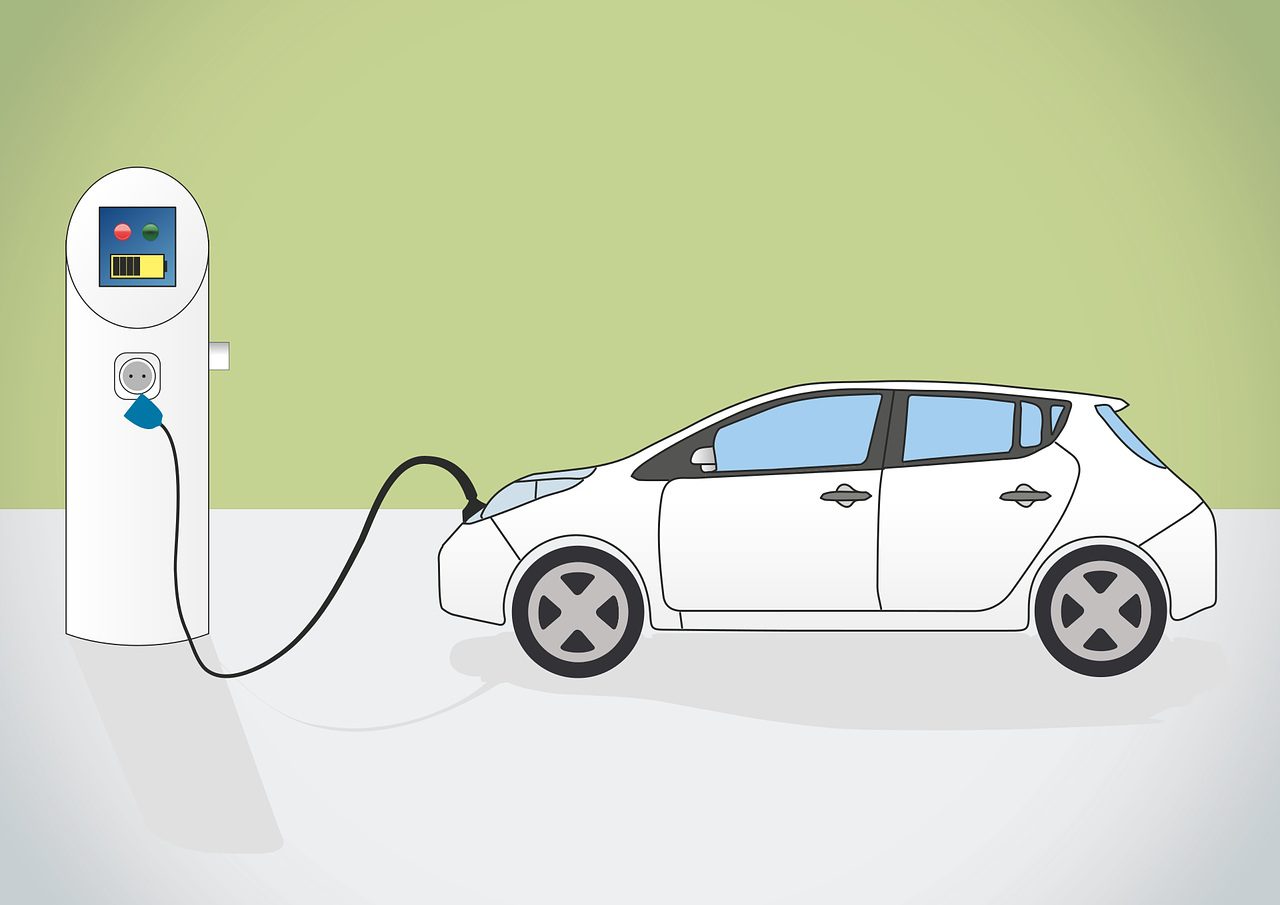
Level 1 charging is slow. A normal home outlet adds about 3 to 5 miles per hour. So, a big 60 kWh battery may need 40 to 50 hours. Most setups pull around 1.4 kW at 12 amps. Some reach about 1.9 kW at 16 amps.
You may get 24 to 50 extra miles after 8 to 10 hours with overnight charing. For a daily drive under 40 miles, that is often enough. Plug-in hybrids are easier. They often charge in 5 to 6 hours.
Average Charging Time for Different EV Models
Most EVs add 3 to 5 miles per hour on Level 1. A full charge takes time.
Factors That Affect Level 1 Charging Speed
- Battery size
- low charge
- cold weather
- charger power
- EV efficiency
How Much Does a Level 1 Charging Station Cost?
Exploring what a level 1 charging station costs reveals its biggest appeal: affordability. Most EVs include the cord free, so upfront costs can be $0.
Replacement or upgraded cords range $200-$600. No installation fees—just plug in.
Adding a dedicated circuit? $200-$500 if needed. Electricity costs are low: at average rates (~$0.18/kWh), daily 40-mile charging adds $4-10 monthly.
Compared to gas, savings are substantial. Incentives may cover upgrades. Overall, it’s the most budget-friendly option, with operational costs often lower due to off-peak home rates.
Level 1 charging uses a standard household outlet. Upkeep stays minimal. An EV charger contractor can explain what a level 1 charging station cost and the install options. That keeps EV ownership accessible for renters and budget-conscious owners.
Equipment Costs and Electricity Usage
Level 1 equipment often comes free with the EV. Replacements may cost $200 to $600. Electricity depends on local rates.
Long-Term Operating Costs
Long-term costs stay pretty low. There is no installation, minimal equipment upkeep, and only the electricity you actually use.
Benefits of Level 1 Charging Stations
Level 1 charging stations offer several advantages. These include cost savings—no installation fees or expensive hardware required.
Key advantages include:
- Easy entry into EV charging: No complex installation for many homes.
- Budget-friendly start: Hardware is often included with the car, with minimal extra cost.
- Overnight convenience: Your EV charges while you sleep or relax at home.
- Battery-friendly power levels: Steady charging supports long-term battery health.
- Perfect for lower daily mileage: Especially well suited for city driving and local errands.
Easy Home Charging Setup
Level 1 charging is beautifully uncomplicated. Plug into a standard outlet, connect the EV, and let it sip power slowly.
Lower Installation Costs Compared to Level 2
Since it usually needs no special wiring or wall-mounted hardware, Level 1 keeps upfront costs refreshingly low for homeowners.

Limitations of Level 1 Charging Stations
Despite its perks, Level 1 has drawbacks. The primary limitation is speed—only 3-5 miles per hour, unsuitable for long-range EVs or high-mileage drivers. Full charges can take days, leading to range anxiety if not planned. It’s less efficient (around 80%), potentially increasing electricity costs slightly.
Public availability is rare, as faster options dominate. For those without dedicated parking, cord management can be inconvenient.
- Slow Speed: Not for quick top-ups.
- Limited Range Addition: Best for short drives.
- Efficiency: Slightly lower than Level 2.
Slower Charging for Long-Distance Drivers
Level 1 charging is slow for long-distance drivers. Especially when the battery needs big range added before morning.
Situations Where Level 1 Charging May Not Be Enough
Big batteries, daily highway driving, shared vehicles, and frequent road trips can make Level 1 charging inadequate.
Level 1 Charging vs Level 2 Charging
What is Level 1 charging for EV and how does it differ from Level 2 differ in several key ways. Level 1 uses standard 120V, adding 3-5 miles/hour, while Level 2 employs 240V for 10-60 miles/hour.
Level 2 needs installation ($500-$2,000) but charges faster, ideal for daily use. Level 1 is free/included but it’s slower. Level 1 often uses existing outlets; level 2 usually involves a dedicated circuit and professionally installed equipment.
In efficiency, Level 2 at 90% vs. Level 1’s 50%. Both use AC, but Level 2 suits heavier usage.
| Aspect | Level 1 | Level 2 |
| Voltage | 120V | 240V |
| Speed | 3-5 mi/hr | 10-60 mi/hr |
| Install Cost | $0-$500 | $800-$2,500 |
| Best For | Short Commutes | Daily/Heavy Use |
| Efficiency | ~50-75% | 90%+ |
Many EV owners begin with Level 1, then add Level 2 once they fully understand their daily patterns. That way, they maximize the advantages of both options. For properties with multiple drivers, fleets, or public parking, Resound Energy can design a layout that layers Level 1, Level 2, and DC fast charging in a way that feels smooth and future-ready for everyone. For ultra-fast needs, explore our level 3 EV charging stations.
Speed and Power Comparison
Level 1 uses 120 volts and charges slowly. Level 2 uses 240 volts and adds range faster.
Cost and Installation Differences
Level 1 is cheaper and plug-in simple. Level 2 usually needs installation, wiring, and a bigger upfront budget.
Is a Level 1 Charger Enough for Daily EV Use?
Yes—for many drivers, a Level 1 electric car charger is enough for daily use. Average U.S. commute is ~40 miles; overnight Level 1 adds 30-60 miles, covering most needs. Low-mileage users (under 50 miles/day) thrive with the “always plug in” habit. Plug-in hybrids excel, full charge in hours.
Assess your routine: home parking overnight? Short drives? Level 1 sufficient, no anxiety. High-mileage (60+ miles) or cold weather (reduced efficiency) may require public boosts.
Studies show 30-50% owners manage primarily on Level 1. It’s enough for urban errands, work-from-home, or secondary vehicles.
With planning, is a level 1 charger enough for daily EV use? Absolutely, promoting relaxed ownership without upgrades.
Best Use Cases for Level 1 EV Charging
Level 1 works nicely for short commutes. For example, overnight parking, plug-in hybrids, and drivers who add only modest miles daily.
Who Should Upgrade to a Level 2 Charger?
Upgrade to Level 2 if you drive far, need quicker recovery, share one EV, or dislike waiting around.
Where Level 1 Charging Is Most Useful
Level 1 charging shines where outlets are easy to reach. Homes with garages or driveways are perfect. Apartments with accessible plugs work too. Workplaces that offer outlets make it simple. It’s especially handy in low-density areas with few fast chargers.
Great examples:
- Single-family homes: plug in overnight in the garage or driveway.
- Townhomes or small multifamily buildings: an easy way to add charging.
- Workplaces with long shifts: cars finish topped up.
- Light-duty fleets with short routes: return and recharge nightly.
Apartment and Residential Charging Scenarios
Level 1 fits garages, driveways, and some apartments where a basic outlet is available. Not fancy, but super practical.
Overnight Charging Benefits
While you sleep, Level 1 quietly adds range for tomorrow’s errands, commute, school runs, or whatever life throws at you.
How to Set Up Level 1 Charging at Home
Setting up a level 1 charging station at home is one of the most encouraging parts of owning an EV, because the process is straightforward and empowering. Here’s a simple, positive checklist:
Choose a convenient outlet
Pick a grounded 120V outlet near your regular parking spot. A garage wall outlet or one near a driveway often works beautifully.
Confirm outlet condition
Make sure the outlet is modern, secure, and feels solid when you plug in. If your home is older, many drivers enjoy the extra reassurance of having an electrician look it over.
Use Your EV’s Included Charger
Use the portable cable that came with your EV. Plug it in the right way. Check the manual too.
Create a Simple Routine
Get home. Plug in. Easy. Or set charging for off-peak hours.
Choosing a Safe Charging Location
Pick a dry outlet near your car. Keep it away from puddles, junk, heat, and anything that looks weird.
Electrical Safety Checks Before Charging
Check the outlet, cord, grounding, circuit, and breaker first. Old wiring? Nope. Call an electrician before playing hero.
Safety Tips for Using Level 1 Chargers
Level 1 charging is built to be safe. Still, a few tiny habits help a lot. Peace of mind, basically. Before charging, check the cord. Look for frays, cracks, burns, or sharp bends. See damage? Stop. Replace it.
Use a grounded three-prong outlet. Use a dedicated circuit. That means fewer surprise breaker trips and less heat. Nice. Skip extension cords, adapters, and multi-plugs. They sound handy. They are not your friend here.
Charging outside? Add GFCI protection. Garages, driveways, damp spots, all of it. Water and electricity need strict boundaries. Keep the area clean. Coil the cable neatly. Move boxes, leaves, rags, and anything flammable away from the charging spot.
Feel the plug sometimes. Warm is a warning sign. Hot is a hard no. Pause charging and call an electrician. Follow the EV and charger manuals too. They keep charging smooth, safe, and boring in the best way.
Avoiding Overloaded Circuits
Use a dedicated circuit whenever possible. Shared appliances can overload wiring, trip breakers, or create heat.
Extension Cord and Outlet Safety Tips
Avoid extension cords unless manufacturer-approved. Use tight, grounded outlets only. Loose plugs are tiny red flags with electricity.
The Future of Level 1 EV Charging
Level 1 is not going anywhere. Nope. It stays the friendly first step for new EV drivers. As batteries get smarter and cars use energy better, slow charging starts making more sense. Funny, right?
Fast chargers will grab the spotlight. Of course they will.
Growing EV Adoption and Home Charging Trends
More EVs means more simple home charging. Level 1 is a neat little win for low mileage drivers.
Advancements in Residential EV Charging
Better cords, smarter plugs, energy tracking, and safer home wiring: these make Level 1 charging cleaner and easier.
Frequently Asked Questions (FAQs)
What are Level 1 and Level 2 charging stations?
What is level 1 charging station? It uses a 120V outlet. It’s slow but simple, about 3 to 5 miles of range per hour. Level 2 uses 240V and adds roughly 10 to 60 plus miles per hour. You’ll find Level 2 at homes, offices, and public spots.
How fast will a Level 1 charger charge?
Plan on 3 to 5 miles per hour. Very efficient EVs may reach 6 to 7. Overnight usually adds 30 to 60 miles.
What is the difference between a Level 1 and Level 2 charger?
Level 1 is 120V, slow, and usually free to start. Level 2 is 240V, faster, more efficient, and commonly costs about 800 dollars or more installed.
Does Level 1 charging cost more?
No. EV Level 1 charging is usually cheaper for light use because there’s no installation.
How much does it cost to charge an electric car for 300 miles?
About 10 to 15 dollars at 0.18 dollars per kWh. Your EV’s efficiency still matters.
Are Level 1 chargers bad for EVs?
No. Lower power creates less heat and can help longevity.
What outlet is best for Level 1 EV charging?
Use a dedicated 20 amp NEMA 5-20 grounded outlet for Level 1 EV charging.
Is a Level 1 charger good enough?
Yes for under 50 miles per day with overnight access. Add workplace or public charging if more is needed.
Can You Plug a Level 1 EV Charger Into Any Outlet?
Not quite. Use a grounded, properly rated 120-volt outlet. Those are safe and not overloaded.
Is Level 1 Charging Safe Overnight?
Yes. Overnight charging is safe when the outlet, circuit, charger, and cord are all in good condition.
Can Level 1 Charging Damage an EV Battery?
No, Level 1 charging is gentle on EV batteries. It delivers power slowly and steadily.
How Many Miles Per Hour Does a Level 1 Charger Add?
Most Level 1 chargers add around 3 to 5 miles of range per charging hour.
Is Level 1 EV Charging Good for Plug-In Hybrids?
Yes. Plug-in hybrids usually love Level 1 charging. Their smaller batteries refill pretty easily overnight.
Can You Use a Level 1 Charger Outside?
Yes. But only with outdoor-rated equipment, a safe outlet, and proper protection from water.
When Should You Upgrade From Level 1 to Level 2 Charging?
Upgrade when daily driving. Bigger batteries or slow overnight recovery make Level 1 feel too limiting.