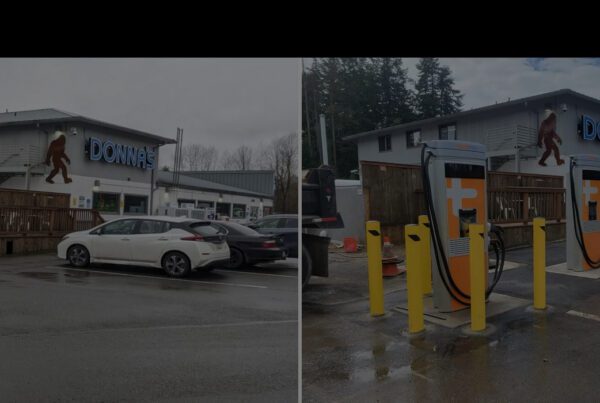


A leasing tour can feel perfect until someone asks where they will charge. If you hesitate, you risk losing trust, and trust drives deals in real estate. This is why businesses need EV charging stations, as drivers now expect them where they work, shop and live.
The Electric Vehicle Market Is Growing Fast
The U.S. electric vehicle market is maturing steadily. 2025 sales reached 1.3 million units, maintaining a solid 8% market share. Commercial sites now feel steady pressure to stay relevant. Installing charging now attracts eco-conscious customers and supports routine visits.
What Are Commercial EV Charging Stations?
Commercial charging equipment is installed where drivers park for work or errands, with safety controls and uptime planning that owners can manage. Many EV charging stations for business sites support billing controls.
Types of Commercial EV Charging Stations
Commercial EV charging solutions work best when charger speed matches dwell time and site electrical capacity.
The two types are:
- Level 2 AC charging for longer stays
- DC fast charging for quick turnover
Level 2 vs Level 3 EV Chargers for Business
Level 2 fits employee and tenant parking, while Level 3 supports faster turnover where the site can handle higher power requirements.
Attract Eco-Conscious Customers and Tenants
Charging makes sustainability visible, which supports tenant loyalty where choices matter.
These commercial EV charging station benefits attract visits.
Benefits of EV Charging Stations for Commercial Property Owners
Owners gain control over parking behavior, and the benefits of EV charging stations for commercial properties include a stronger leasing appeal. EV charging for commercial properties adds daily convenience for tenants and customers. It also supports long-stay parking patterns.
Generate Additional Revenue with EV Charging Stations
Revenue can come from paid sessions or operator agreements, so pricing should match demand.
Provide Convenience for Employees, Tenants and Customers
Workplace charging reduces range anxiety for drivers. Now they can top up during work instead of detouring after hours.
Government Incentives Make EV Charger Installation More Affordable
Reduce the upfront investment of your EV infrastructure by leveraging local rebate programs. In many regions, these incentives can offset 25–75% of the total project costs to add charging stations to your property. Our team supports you to help you identify and navigate these available savings opportunities.
Cost of Installing EV Charging Stations for Business
Costs depend on service capacity, trenching distance and charger level. That’s why businesses start their EV charging station exploration with a site walk to identify an economic scope.
Factors That Affect Commercial EV Charger Installation Cost
Early site clarity prevents budget shocks, since permits, routing and utility coordination can increase labour costs.
The biggest cost drivers usually come down to these three areas:
- Electrical capacity and panel space
- Trenching, coring and conduit routing
- Charging hardware
Return on Investment of Commercial EV Charging Stations
ROI improves with utilization, because demand charges and idle equipment can erode returns when throughput stays low. Utilization should guide expansion timing.
Boost Your Property Value
EV-ready parking can strengthen leasing conversations because tenants increasingly view charging access as a practical amenity.
EV Charging Infrastructure for Businesses: What to Consider
EV charging infrastructure for businesses works best when treated like a building system, with load calculations and a phased expansion plan. EV charging solutions can include access control, usage reporting and pricing tools that keep operations predictable.
Site Planning and Electrical Requirements
Start with power availability and parking circulation, then plan conduit paths so early work supports later growth. EV charging for new developments is easiest when conduit paths and electrical capacity are planned before paving and final striping.
Local Regulations and Permits for EV Chargers
Permitting varies by jurisdiction and utility, so schedules stay healthier when drawings and inspections are aligned early.
Stay Ahead of the Competition
As more businesses install EV charging stations, having charging already in place keeps your property relevant and easier to choose.
Future of Commercial EV Charging Stations
The future of commercial EV charging stations favors reliable uptime and smart load control, because drivers remember broken chargers far longer than they remember your signage.
EV Charging Trends Businesses Should Know
Expect more utility coordination for new charging projects. Public funding expands corridor coverage through 2026 and supports higher-power options.
Smart Charging, AI and Renewable Energy Integration
Smart charging can reduce peaks and support predictive maintenance, because automated monitoring can flag faults before users complain.
Resound Energy Services: Your Partner in EV Charger Installation
Resound Energy Services manages design, civil work, permits and rebates, so your EV charging installation has fewer variables, and runs smoothly from start to finish.
Why Businesses Should Install EV Charging Stations Now
Incentives can change and tenant expectations can move fast, so phased planning often costs less than rushed work during renewals. That’s why businesses need EV charging stations now, because early design choices lower future expansion costs.
Electrify Your Business Now
Start small with a right-sized first phase, watch how often chargers get used, then add more only where demand is clearly proven. Your budget stays aligned with real usage.
Frequently Asked Questions About EV Charging Stations for Businesses
What is the future of EV charging stations?
EV adoption keeps climbing, so charging will spread into more parking lots. You will see better uptime and simpler payment options.
What is the 80-20 rule EV charging?
Many drivers target charging between 20% and 80% most days. That habit keeps sessions faster and batteries less stressed.
What is a key benefit of using AI in EV charging infrastructure?
AI-powered monitoring spots faults early, before drivers file complaints. Predictive service planning reduces downtime and repeat truck rolls.
Where will EVs be in 5 years?
By 2030, more drivers will expect charging where they park daily.
What is the 80% rule for EV?
DC fast charging often slows once you pass about 80% charge. Stopping near that point can save meaningful travel time.
Which country is leading in EV?
As of early March 2026, the most recent global totals from the International Energy Agency still show China as the clear leader in electric car sales.
Can I still own a gas car after 2035?
Many rules target new sales after 2035, not existing ownership. Local policies vary, so check your state requirements carefully.
Are EVs coming to an end?
EV sales remain high worldwide, even when growth rates wobble. Market shifts happen, yet the direction still looks durable.
How much does it cost to install EV charging stations for business?
Costs vary by electrical capacity, trenching distance and charger level. A site assessment gives realistic numbers for budgeting.
Are commercial EV charging stations profitable?
Profit depends on utilization, pricing and demand charges at your site. Smart pricing and load management can protect operating margins.
Do EV charging stations increase property value?
Charging can strengthen leasing appeal and reduce vacancy risk, and higher occupancy increases property value.
What businesses should install EV charging stations?
Workplaces, retail centers, hotels, multifamily sites and public agencies are best. They work best when vehicles stay parked long enough.